
The Future of Premium Cigars - Global Trends to Watch
- Puro Tobacco
- Sep 27, 2025
- 3 min read
The world of premium cigars is steeped in tradition, yet it never stands still. Each year brings new challenges, opportunities, and shifts in consumer culture. As 2025 unfolds, several global trends are shaping the future of cigars, from pricing pressures to boutique creativity. For smokers, retailers, and manufacturers, understanding these forces provides a glimpse into what lies ahead.
Steady Demand in a Changing Market
Despite broader declines in tobacco consumption worldwide, premium cigars remain resilient. Unlike cigarettes, they are not tied to daily use but to leisure and ritual. This distinction keeps demand steady, even as regulators intensify scrutiny of nicotine products.
Imports into the U.S.—the world’s largest cigar market—rose by nearly 5 percent in the first half of 2025. Nicaragua, the Dominican Republic, and Honduras continue to supply almost all of this demand, highlighting the concentration of production and the strength of these regions.
Rising Prices and Tariffs
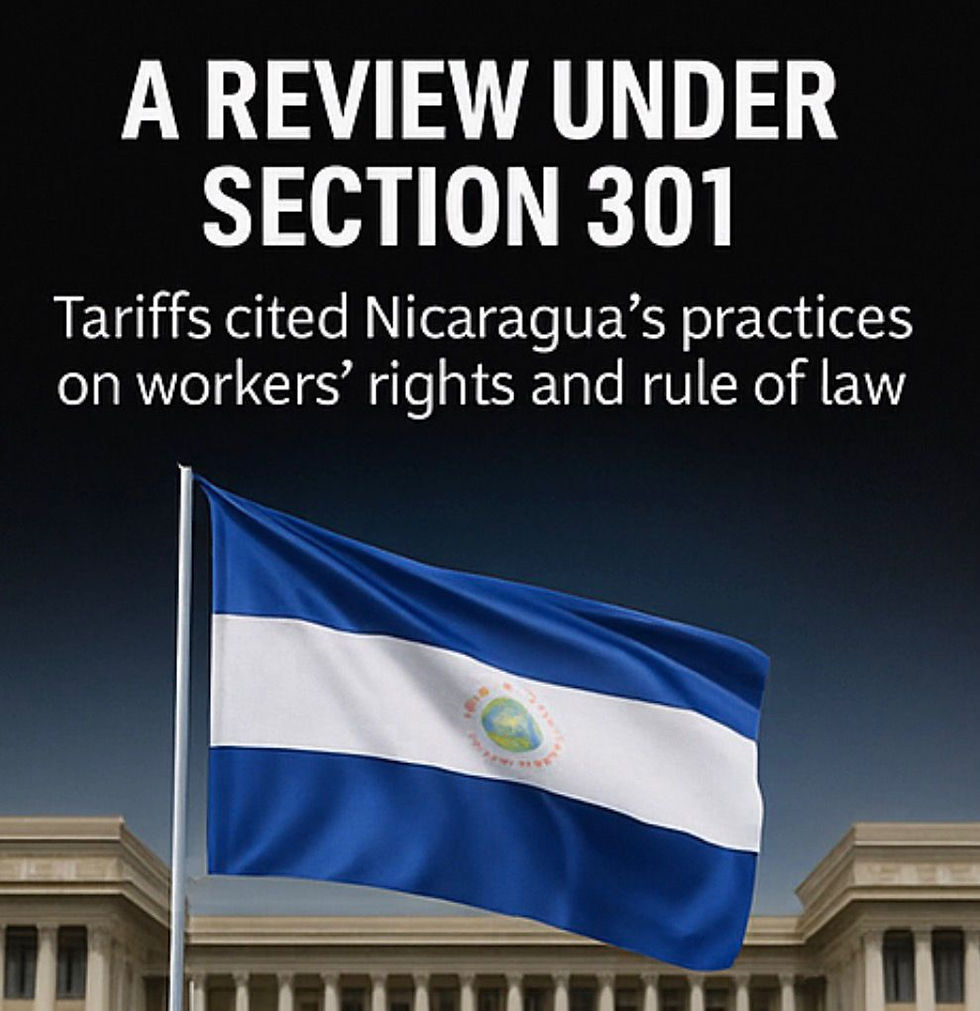
One of the most pressing issues for the industry is pricing. New tariffs and rising production costs are pushing retail prices upward in many markets. While luxury consumers may absorb the increases, smaller brands and everyday smokers feel the pressure.
For boutique manufacturers, higher costs threaten to erode margins, making it harder to experiment with small-batch releases. At the same time, scarcity and exclusivity may drive collectors to invest even more heavily in cigars, reinforcing their role as luxury commodities.
Boutique Innovation
The boutique movement remains one of the most exciting forces in the industry. Small brands continue to release creative blends, limited editions, and unique vitolas that keep consumers engaged. By focusing on artistry and storytelling, boutique producers carve out niches in a crowded market, often competing successfully against legacy giants.
This trend is likely to continue, as younger smokers in particular value individuality and novelty. Boutiques also benefit from social media, where striking branding and compelling backstories can capture global audiences quickly.
Collectibility and Investment
Cigars are increasingly viewed as collectibles, with humidors and limited editions commanding attention at auctions. High-value sales in Havana, London, and Hong Kong show that cigars are entering the same investment conversations as wine and whiskey.
For the industry, this represents both opportunity and challenge. While it elevates the cultural prestige of cigars, it also risks pricing some enthusiasts out of the market. Balancing accessibility with exclusivity will be key moving forward.
Regulatory Uncertainty
The recent U.S. court ruling exempting premium cigars from FDA oversight brought relief, but it may not be permanent. Anti-tobacco groups continue to push for stricter regulation, and governments worldwide face pressure to reduce tobacco consumption. How regulators define “premium” cigars—and how they distinguish them from flavored or machine-made products—will shape the future.
In Europe, bans on outdoor smoking spaces are expanding, potentially limiting where cigars can be enjoyed. In Asia, luxury demand is growing, but governments are considering tighter controls. Navigating this patchwork of laws will remain a constant challenge.
Cultural Endurance
Despite these pressures, premium cigars maintain a cultural resilience. They are tied to celebrations, milestones, and rituals that transcend trends. Unlike disposable tobacco products, cigars carry heritage and identity. This endurance suggests that while the landscape may change, the essence of cigar culture will survive.
Looking Ahead
The future of premium cigars will be defined by a balance of tradition and innovation. Nicaragua will likely maintain its dominance, Cuba will continue leveraging heritage and luxury positioning, and boutique makers will push boundaries. Collectibility will rise, prices may climb, and regulation will remain a constant battle.
For smokers, this means a future rich with both opportunity and challenge. The cigars of tomorrow will continue to tell stories—of land, people, and craft—even as the world around them evolves.
Lighting a cigar in 2025 is, in many ways, a gesture of optimism. It honors centuries of tradition while looking ahead to what is yet to come. The flame connects past, present, and future—a reminder that in an uncertain world, some rituals endure.


Comments